Best Heavy Bag Gloves: What to Look For

The heavy bag is the most punishing piece of equipment your gloves will ever touch. Unlike a sparring partner who absorbs and gives way, the bag fires every ounce of impact straight back into your hands and wrists. The wrong gloves will leave you with sore knuckles by week one and tendinitis by month three. The right gloves protect your hands, give you honest feedback on your shots, and last for years. This guide walks through exactly what to look for when buying gloves dedicated to bag work, so you stop guessing and start hitting harder.
Padding That Compresses Cleanly
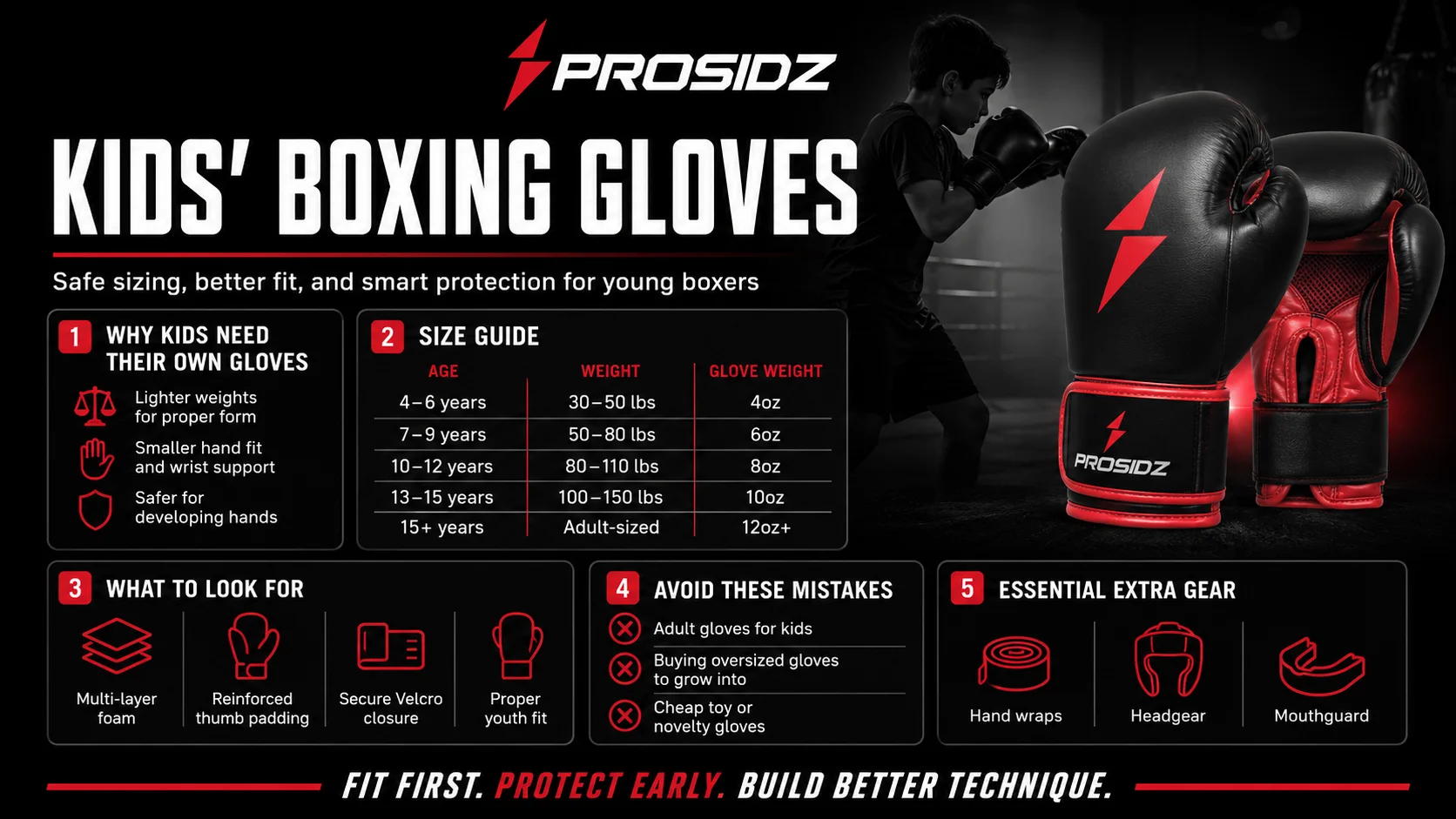
Bag gloves need denser, more compact foam than sparring gloves. The foam should feel firm when you press on the knuckle area but rebound quickly — that’s what protects your hand bones from the constant impact of bag work. Multi-layer foam construction is the gold standard: a stiffer outer layer to disperse force, a softer inner layer to absorb residual shock, and reinforced padding right over the knuckles. Avoid gloves where the foam feels mushy or compresses easily — that means the padding will collapse and stop protecting you within a few months. Thumb padding matters too, since heavy bag work generates more thumb impact than people realize.
Shell Material That Survives Repeated Impact
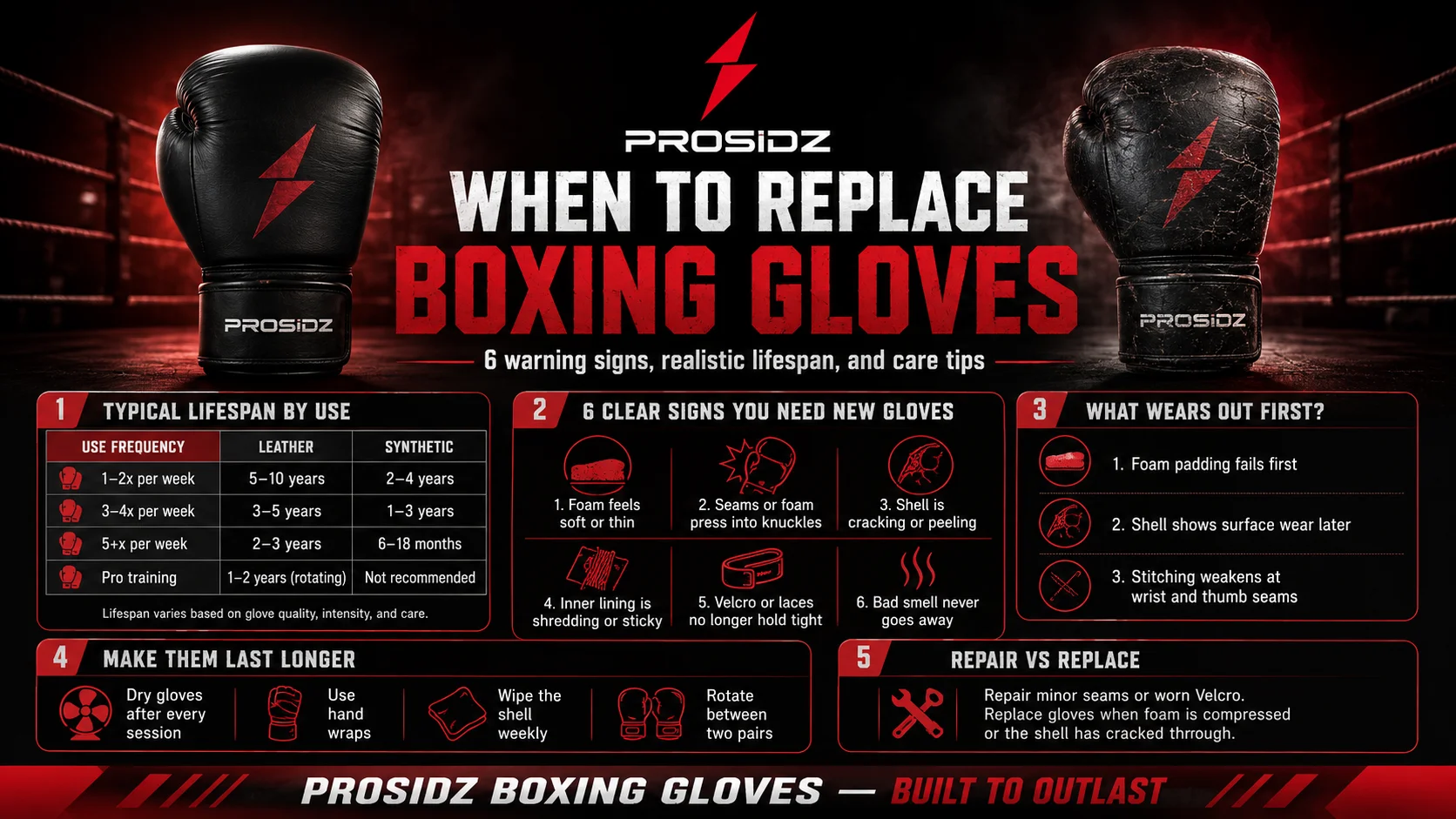
Heavy bag work is brutal on the glove shell. Vinyl shells crack and peel within a year of regular bag use. PU leather lasts longer but eventually wears through at the knuckle face. Genuine leather is the durability winner here — high-quality cowhide easily handles five-plus years of bag work and develops character along the way rather than visibly degrading. Look for double-stitched seams along the knuckle face and thumb, which are the highest-stress areas during bag work. The shell needs to flex with your fist while protecting the foam underneath; rigid shells crack faster than flexible ones.
Wrist Support That Locks You In
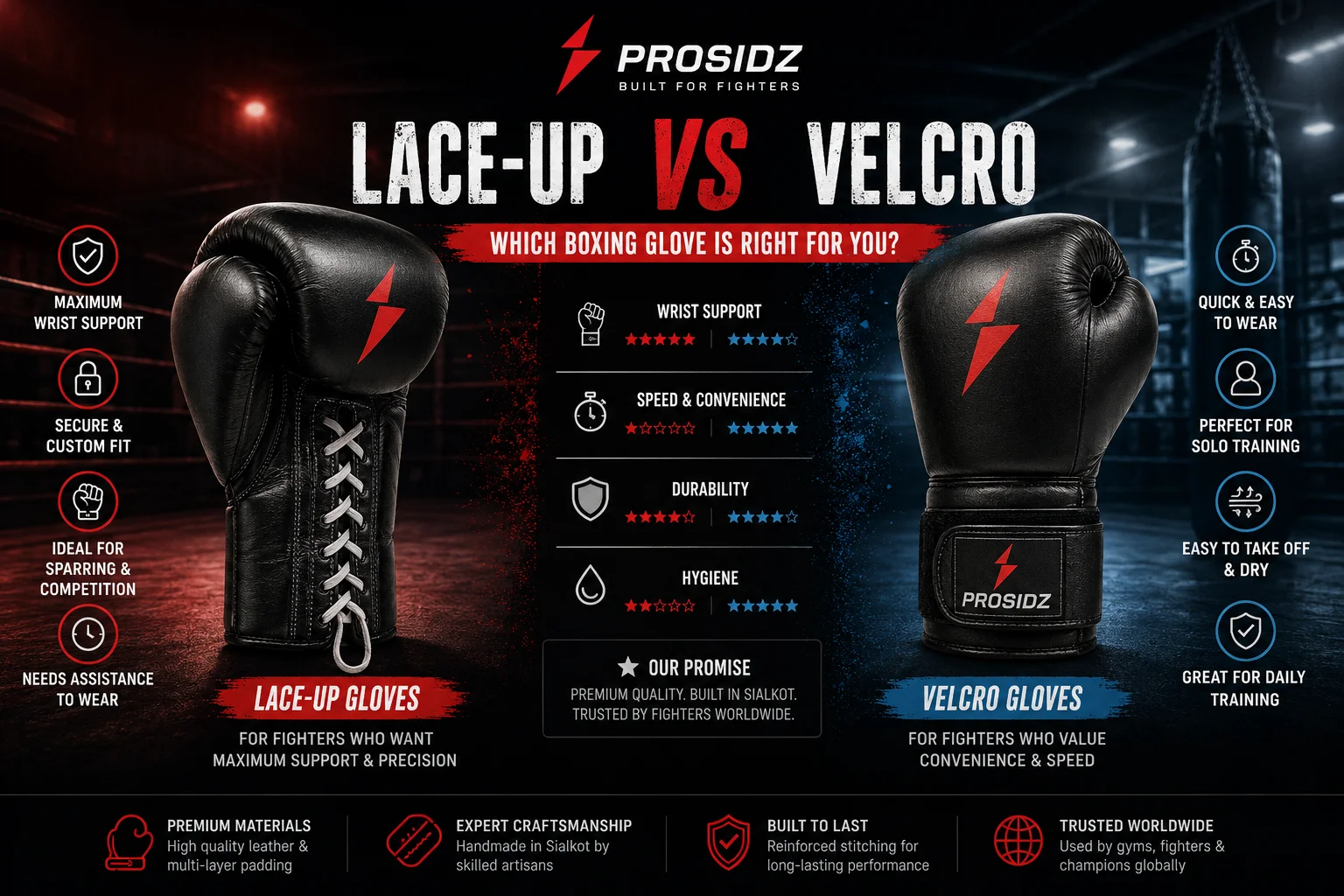
Bag work generates more wrist torque than any other boxing training, especially when you’re throwing hooks and overhand rights. A glove with weak wrist support will let your wrist roll on impact, and rolled wrists turn into chronic injuries fast. Look for an extended cuff that wraps at least an inch past your wrist bone, a wide Velcro strap (or laces) that secures the cuff snugly without restricting flex, and reinforced internal stiffening at the wrist. The cuff should feel like a brace, not a sock. If you can wiggle your wrist freely once the closure is set, the support is too soft for serious bag work.
| Feature | What to Look For | What to Avoid |
|---|---|---|
| Padding | Multi-layer, dense, springy | Soft, mushy, single-layer |
| Shell | Genuine leather or premium PU | Thin vinyl, peeling synthetic |
| Wrist Cuff | Extended, reinforced, wide strap | Short cuff, thin strap |
| Stitching | Double or triple at knuckle | Single stitching, exposed thread |
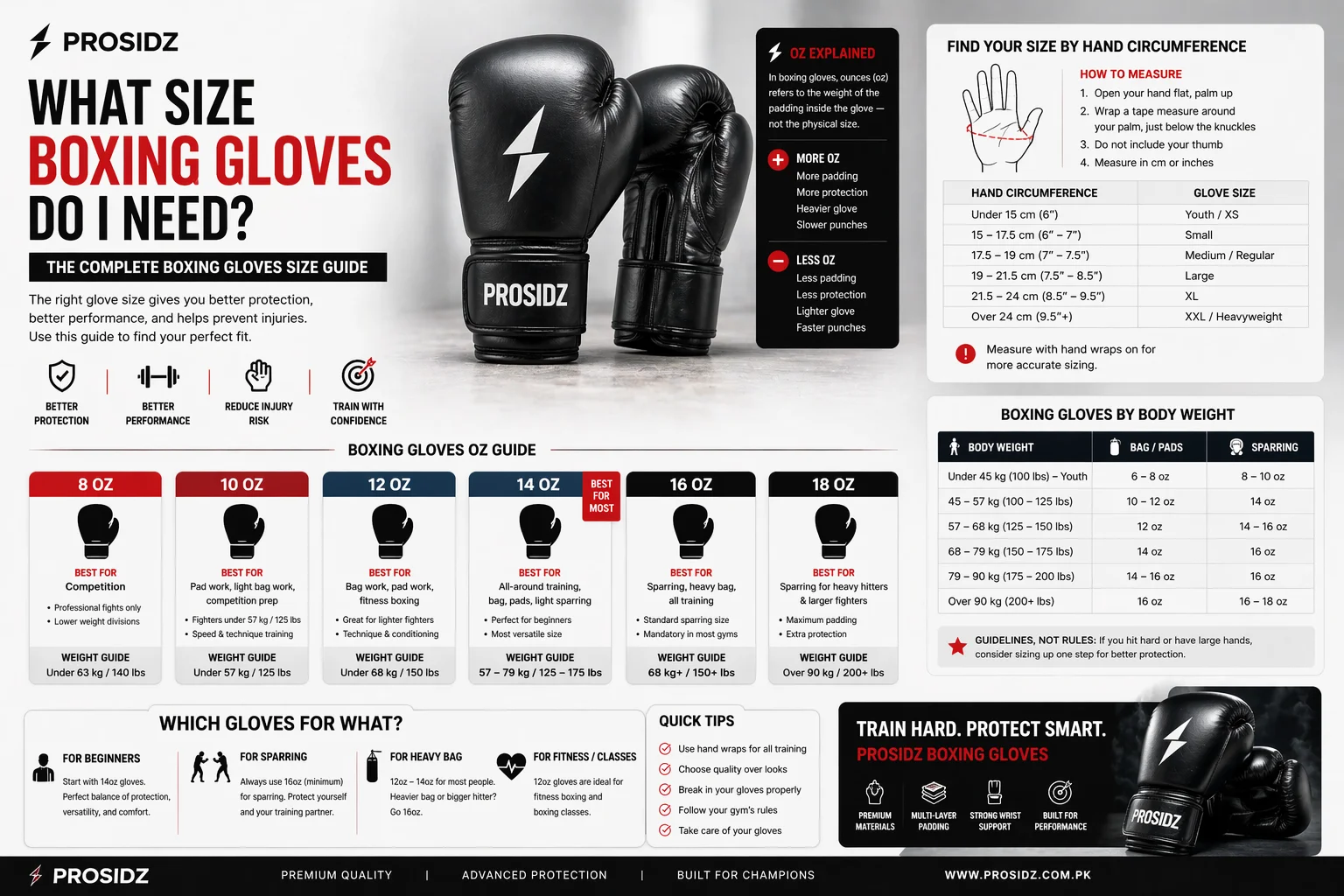
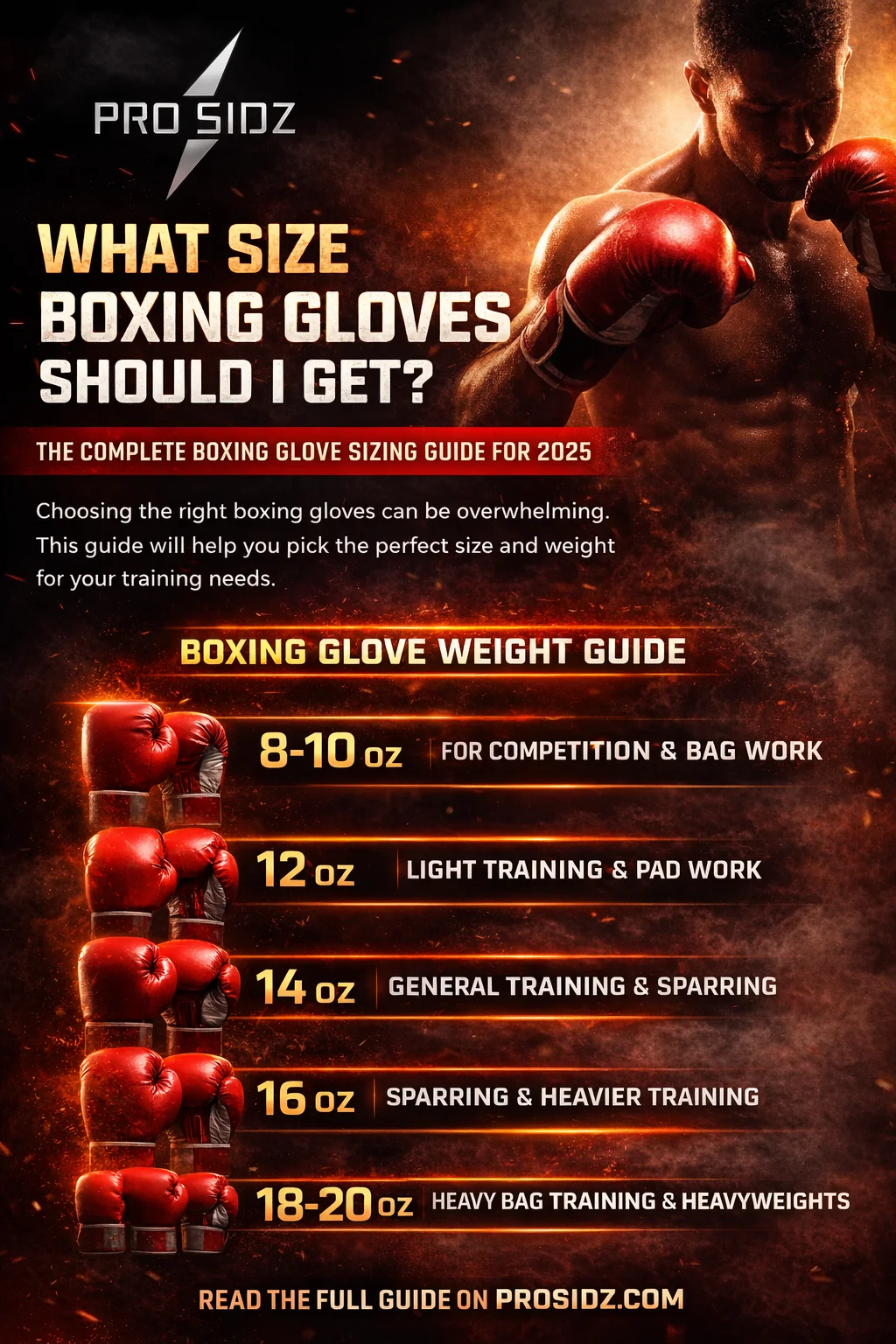
| Weight | 12-14oz for most adults | Below 10oz for heavy bag work |
| Lining | Moisture-wicking, breathable | Plain cotton or none |
Right Weight for Bag Work
Twelve to fourteen ounces is the sweet spot for adult heavy bag training. Twelve ounces gives you snappy speed and crisp feedback for combinations and technical work. Fourteen ounces builds shoulder endurance and provides more knuckle protection for power work. Sixteen-ounce gloves can be used on the bag — they offer maximum protection — but the extra weight slows your hands and wears your shoulders out faster than necessary if you’re not training for endurance specifically. Below 10 ounces is too light for serious bag work and risks hand injury once you start throwing real power. Match the weight to your goal: speed work goes lighter, conditioning work goes heavier.
Lining and Long-Term Comfort
The inside of the glove gets ignored on the shelf and matters enormously after the tenth session. A moisture-wicking inner lining (microfiber or mesh) keeps your hands drier during long sessions and prevents the lining from breaking down into clumpy strings. Padded thumb compartments protect the often-overlooked thumb knuckle from bag impact. A grip bar inside the glove — a small foam roll your fingers wrap around — keeps your fist properly clenched during impact, which is genuinely important for protecting the small bones in your hand. Bag gloves that get all three of these details right are the ones that quietly outlast everything else in your gym bag.
Frequently Asked Questions
What weight gloves should I use for the heavy bag?
Twelve to fourteen ounces is the sweet spot for most adults. Lighter weights are fine for speed work, heavier weights for conditioning and power.
Can I use sparring gloves on the heavy bag?
You can, but the soft sparring foam breaks down quickly under bag impact. Use a dedicated bag glove if you train regularly.
How long should heavy bag gloves last?
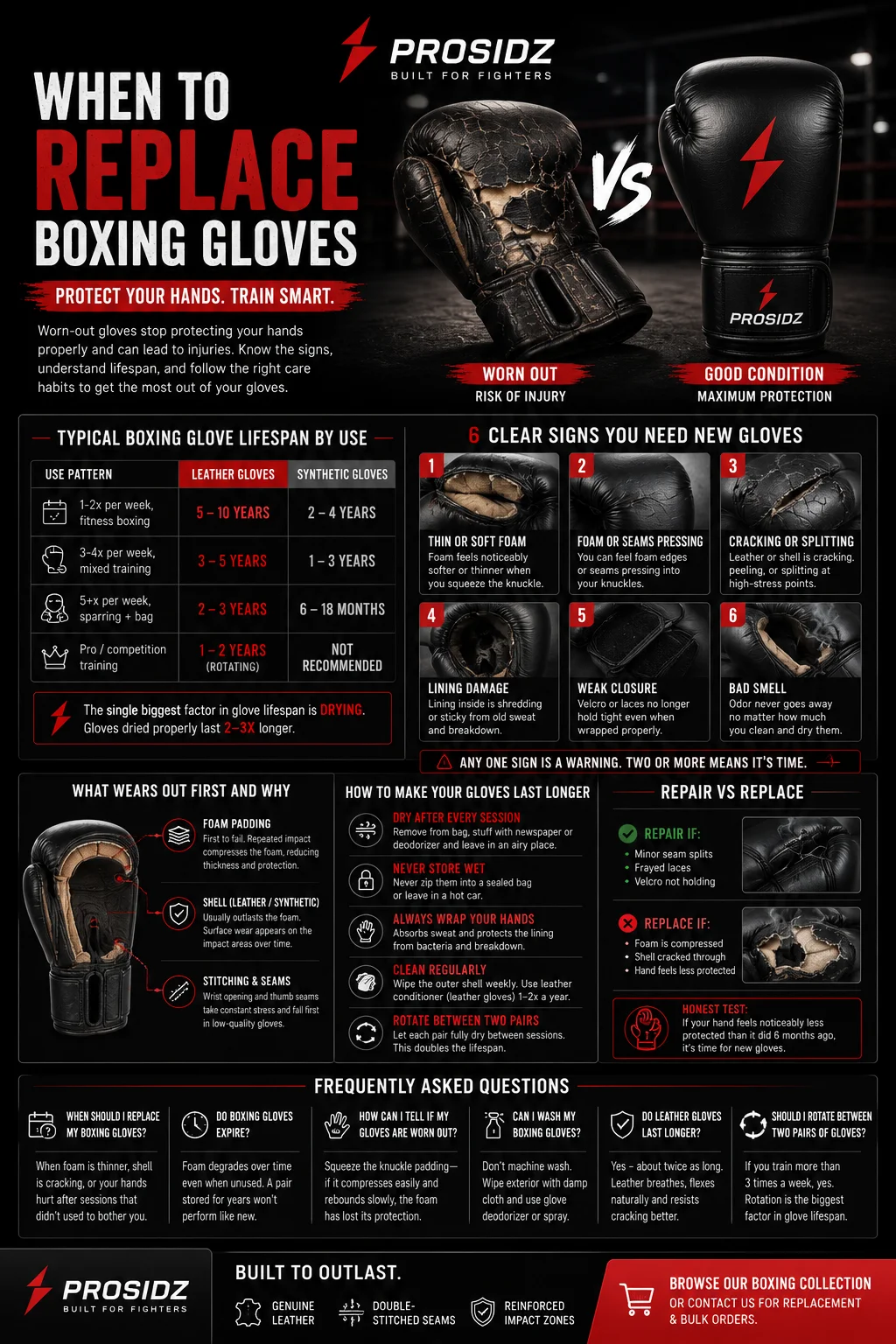
Quality leather bag gloves easily last three to five years of regular training. Synthetic shells typically last one to three.
Do I need wrist wraps with heavy bag gloves?
Always — wraps protect the small bones and tendons in your hand and wrist regardless of how good the glove’s wrist support is.
Are leather gloves worth it for the bag?
Yes — leather lasts roughly twice as long as synthetic under bag conditions and breathes better, which keeps the foam in better shape over years.
Can beginners use heavy bag gloves?
Absolutely. Beginners benefit from quality bag gloves because the right padding and wrist support prevents the early-stage hand injuries that derail many new boxers.
Prosidz builds dedicated heavy bag gloves with multi-layer foam, genuine leather shells, and reinforced wrist support — engineered for years of bag work. Explore our boxing range or reach out for gym pricing.